Korean Friday Night After Work: Somac, Fresh Sashimi, and Pyeongyang Naengmyeon
From Monday to Friday, the rhythm of a Korean office worker is often simple and repetitive. The day begins with work, continues with small routines, and ends with the hope of a little freedom after 6 p.m.
월요일부터 금요일까지, 한국 직장인의 하루는 대체로 비슷하게 흘러간다. 오전 9시에 출근하고 오후 6시까지 일한다. 특별할 것 없는 반복이지만, 그 반복 끝에 찾아오는 퇴근 시간만큼은 작고 분명한 해방처럼 느껴진다.
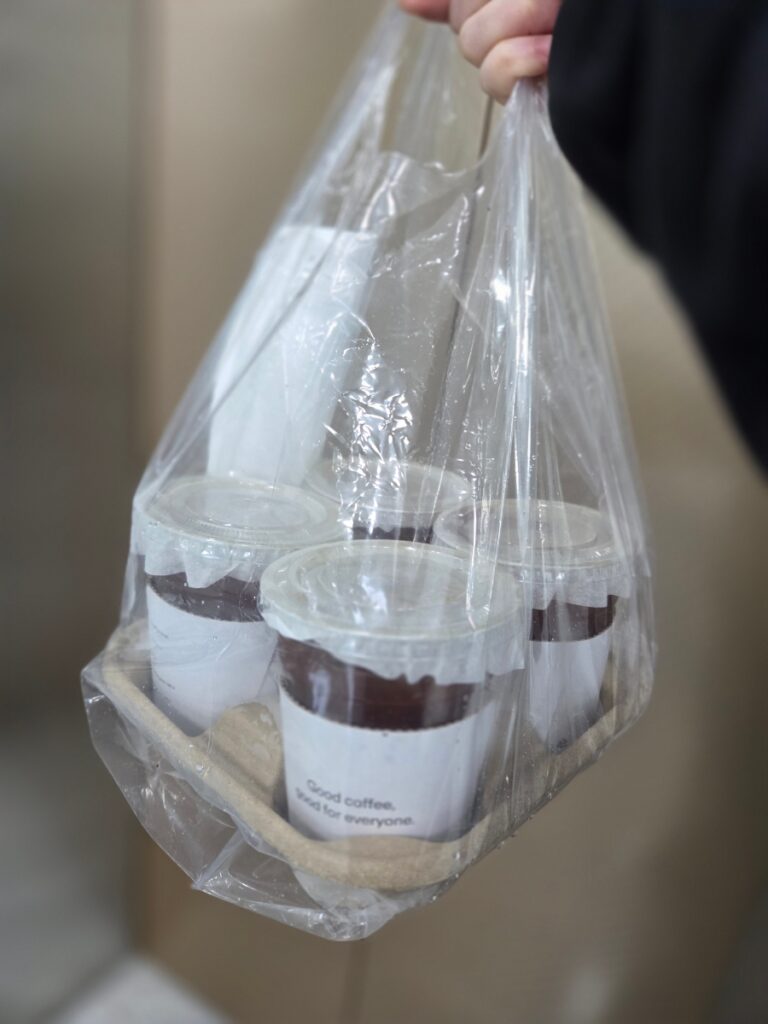
In Korea, many office workers start the morning with an iced Americano. It is not only a drink but also a quiet signal that the workday has begun. A cold cup of coffee in hand makes the morning feel a little more manageable.
한국 직장인의 아침을 깨우는 대표적인 음료는 아이스 아메리카노다. 단순한 커피라기보다 하루를 시작한다는 작은 신호에 가깝다. 차가운 커피 한 잔을 들고 있으면, 아직 덜 깬 아침도 조금은 견딜 만해진다.
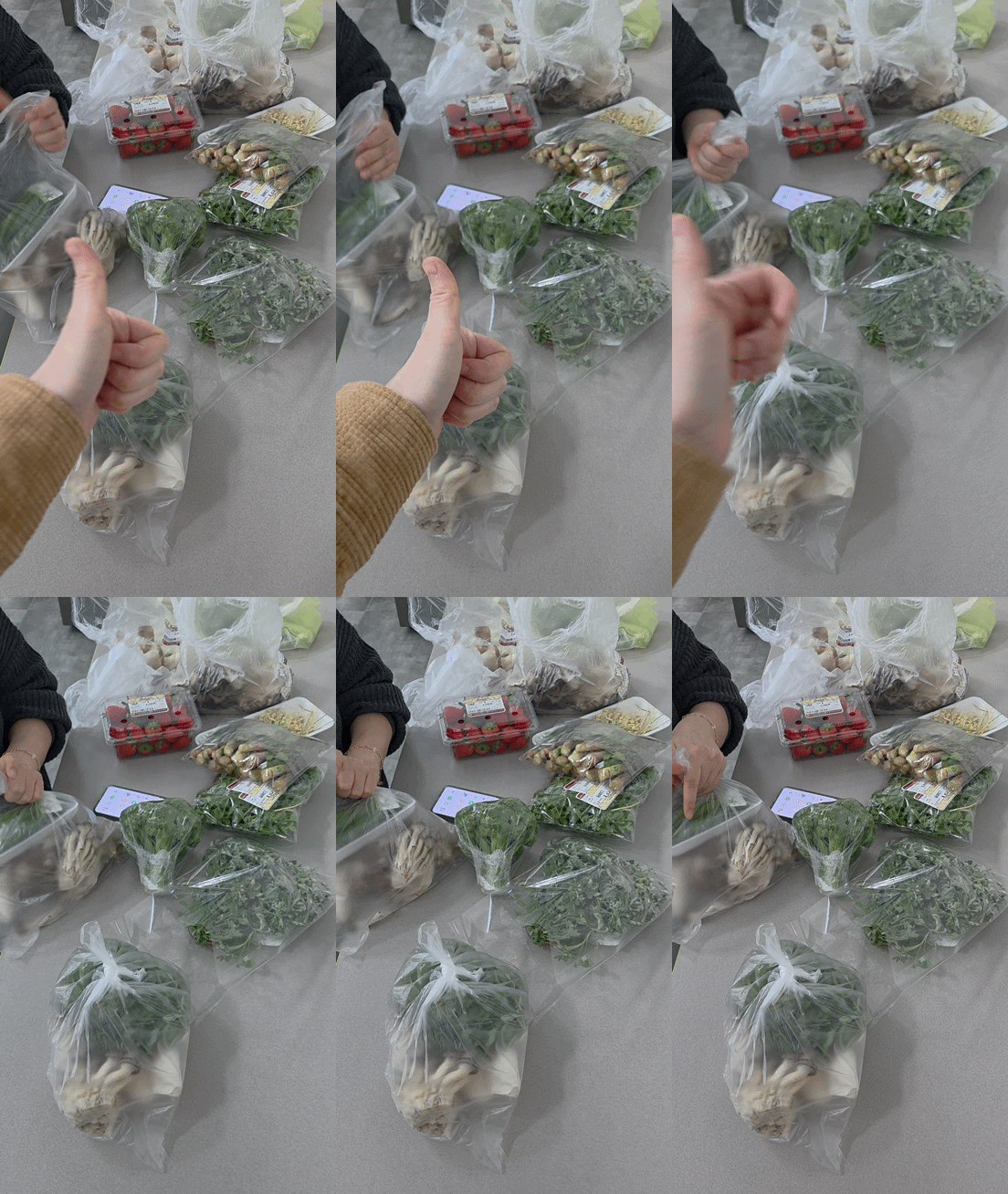
After lunch, I sometimes go to a nearby market with my coworkers. We buy fresh vegetables, herbs, mushrooms, and fruit, then divide them among ourselves. In a city where more people live alone, this kind of sharing feels practical and warm.
점심을 먹고 나면 동료들과 근처 마트에 들를 때가 있다. 신선한 채소와 버섯, 허브, 과일을 사고 각자 필요한 만큼 나눠 가진다. 혼자 사는 인구가 많아진 도시에서 이런 나눔은 꽤 현실적이고 따뜻한 문화다.
For one-person households, buying a full pack of vegetables can sometimes feel too much. Sharing groceries with coworkers helps reduce waste, save money, and bring a small sense of community into an ordinary workday.
1인 가구에게 채소 한 팩은 때로 너무 많다. 동료들과 장을 나누면 음식물 쓰레기도 줄고, 비용도 아낄 수 있다. 무엇보다 평범한 근무일 한가운데에 작은 공동체 감각이 생긴다.

On the way home, I sometimes notice an old luxury sedan on the road. It appears like a small scene from another time. Finding something familiar and unusual during an ordinary commute feels like a tiny stroke of luck.
퇴근길에는 종종 오래된 고급 승용차를 마주친다. 오래된 차는 도로 위에서 잠깐 다른 시대의 장면처럼 보인다. 매일 같은 길 위에서 익숙하면서도 낯선 것을 발견하는 일은 작은 행운처럼 느껴진다.
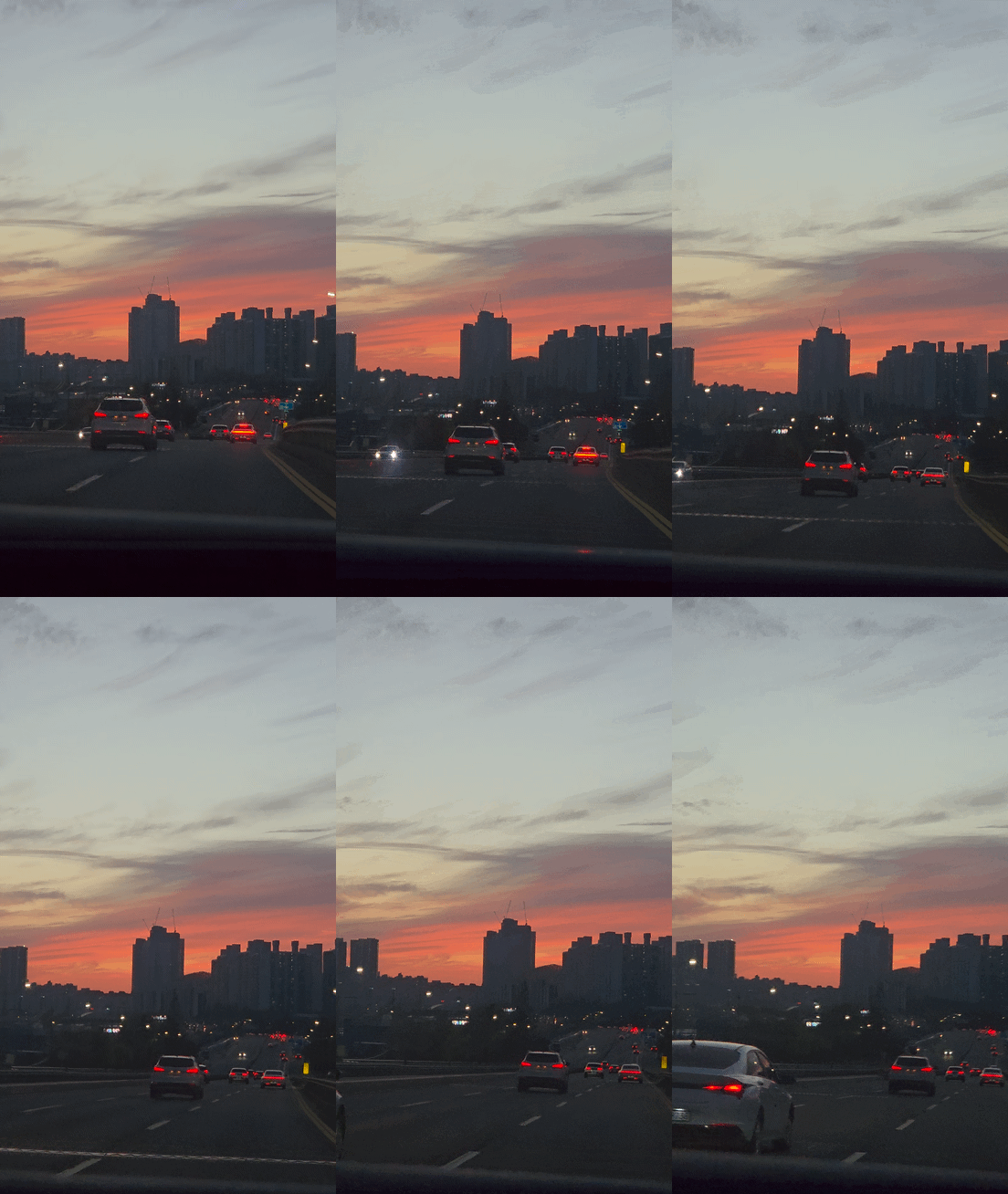
Then Friday evening arrives. In Korea, Friday after work is often called bulgeum, a shortened word for “burning Friday.” It means a lively Friday night after a long week of work. The sky itself sometimes seems to join the mood, glowing red at sunset.
그리고 금요일 저녁이 온다. 한국에서는 금요일 퇴근 후를 흔히 불금이라고 부른다. ‘불타는 금요일’의 줄임말로, 한 주 동안 열심히 일한 직장인들이 조금 더 자유로워지는 시간을 뜻한다. 때로는 하늘마저 붉게 타오르며 그 분위기에 어울린다.
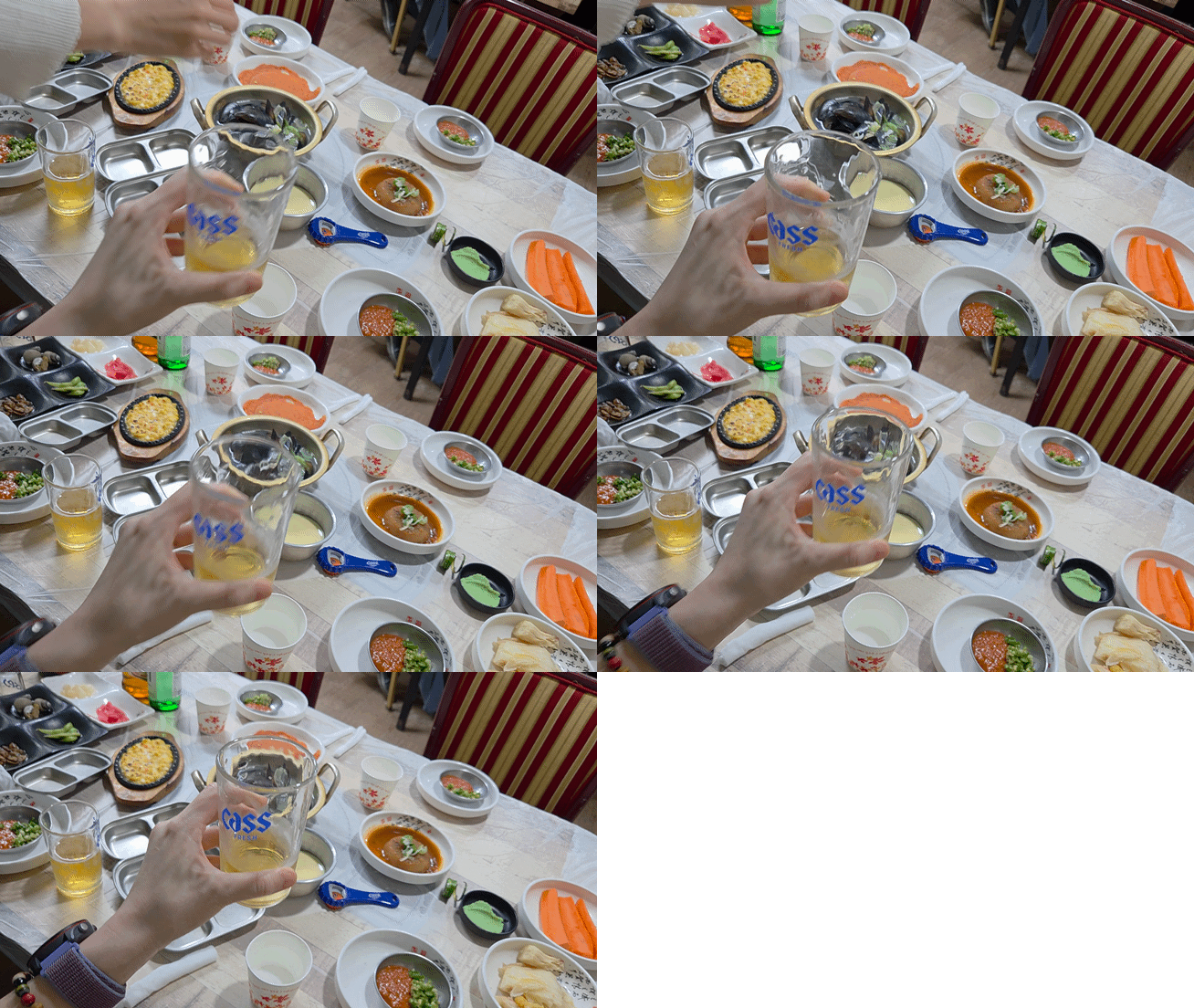
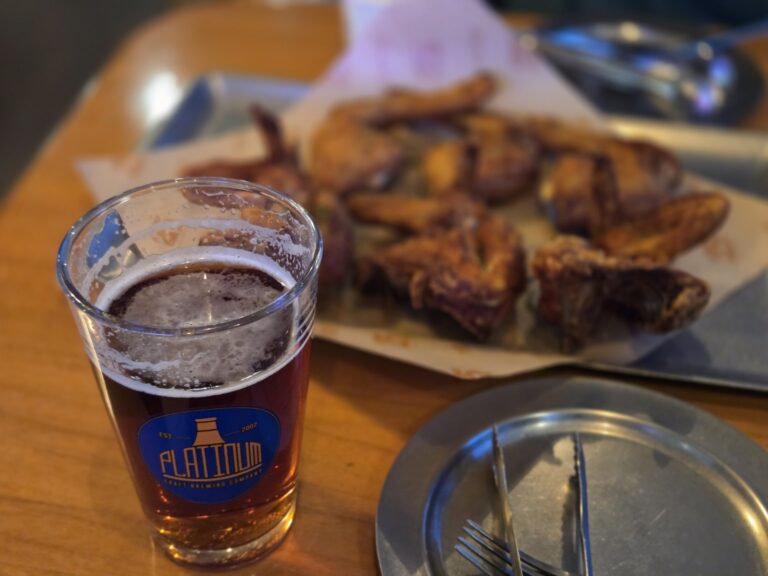
The menu of the night was fresh Korean sashimi. Since the food had already been ordered, we sat down and started with somac, a Korean mixed drink made with soju and beer. In many casual gatherings, the first glass comes almost as soon as everyone takes a seat.
이날의 메뉴는 신선한 생선회였다. 회를 미리 주문해두었기 때문에, 자리에 앉아 기다리는 동안 자연스럽게 쏘맥을 마셨다. 한국의 편한 술자리에서는 착석과 동시에 첫 잔이 시작되는 경우가 많다.
Somac is usually mixed with one part soju and two to three parts beer, though the ratio depends on personal preference. Many people drink the first few glasses as somac before slowly moving on to soju or beer with the meal.
쏘맥은 보통 소주 1에 맥주 2~3 정도의 비율로 섞어 마신다. 물론 비율은 사람마다 다르다. 보통 첫 자리의 몇 잔은 쏘맥으로 분위기를 열고, 이후에는 음식에 맞춰 소주나 맥주로 자연스럽게 넘어간다.
There is also a playful drinking phrase in Korea: huraeja sambaeju. It loosely means that the latecomer receives three drinks. It is not a strict rule, but more of a humorous social ritual often heard among close coworkers or friends.
한국 술자리에는 후래자삼배주라는 장난스러운 말도 있다. 늦게 온 사람에게 세 잔을 준다는 뜻이다. 엄격한 규칙이라기보다는 가까운 동료나 친구들 사이에서 분위기를 풀기 위해 쓰는 농담 섞인 문화에 가깝다.
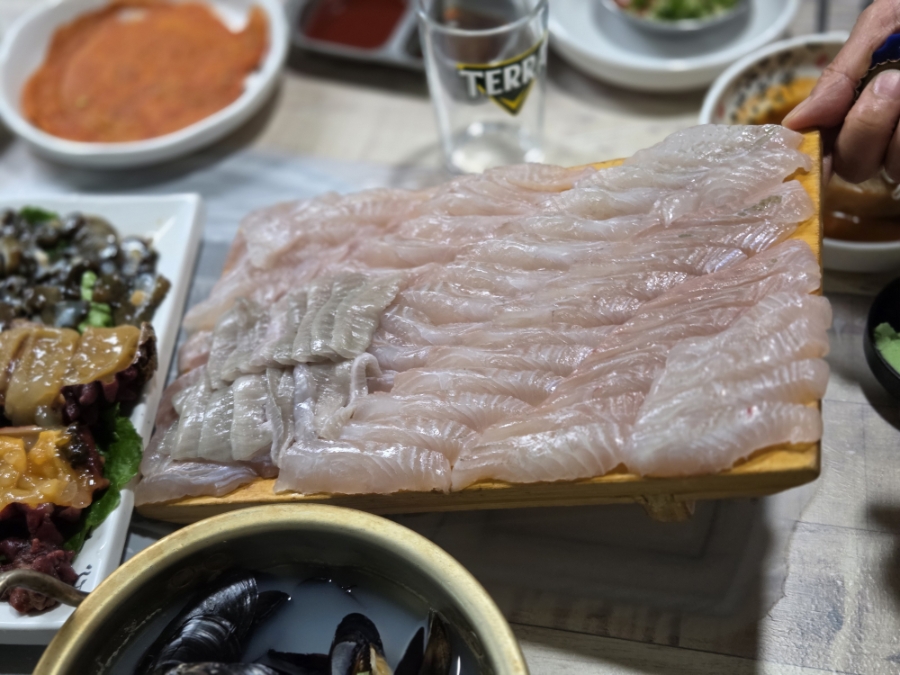
Soon, the fresh flatfish sashimi arrived. Korean flatfish, or gwang-eo, is loved for its firm and chewy texture. It has a clean flavor that pairs well with simple dipping sauces and a cold drink.
잠시 후 싱싱한 광어회가 나왔다. 한국에서 광어는 쫄깃하고 탱탱한 식감으로 사랑받는 생선회다. 맛이 깔끔해서 초장이나 간장, 와사비와도 잘 어울리고 차가운 술과도 잘 맞는다.
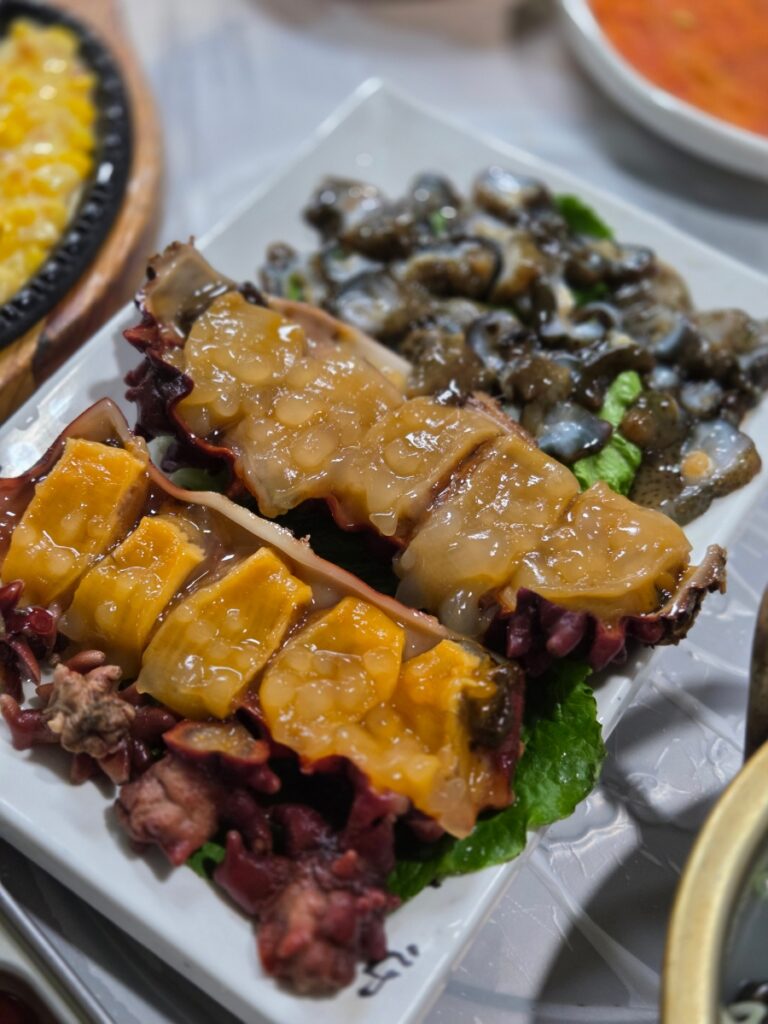
No Korean sashimi table feels complete without small seafood side dishes. Sea squirt and sea cucumber may look unusual to some visitors, but they bring the taste of the sea directly to the table. Their textures are strong, fresh, and memorable.
한국의 회상에서 멍게와 해삼이 빠지면 조금 섭섭하다. 외국인에게는 낯설게 보일 수 있지만, 이 작은 해산물들은 바다의 맛을 가장 직접적으로 전해준다. 향과 식감이 강해서 한 번 먹으면 기억에 남는다.
In Korea, people often drink soju with sashimi. The clean and sharp taste of soju goes well with raw fish, spicy sauce, and seafood side dishes. It is one of the most familiar combinations in Korean dining culture.
한국에서는 회에 소주를 곁들이는 경우가 많다. 소주의 깔끔하고 날카로운 맛은 생선회, 초장, 해산물 안주와 잘 어울린다. 회와 소주는 한국 식문화에서 매우 익숙한 조합이다.
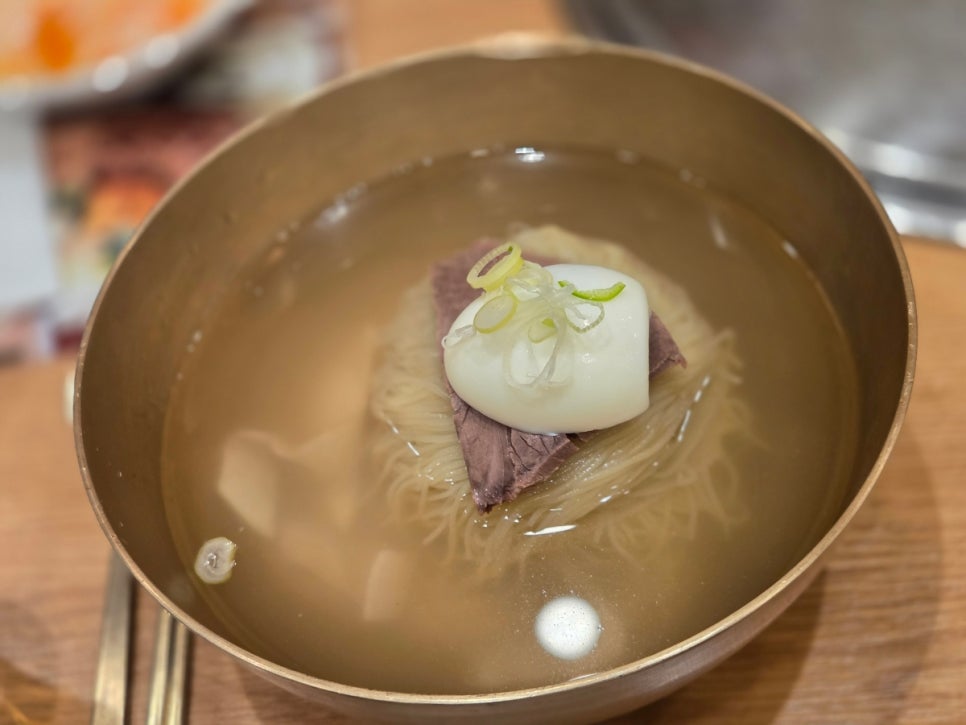
The next morning, a bowl of Pyeongyang naengmyeon felt like the right recovery food. The cold broth, thin noodles, and clean flavor make it gentle but refreshing. After a heavy Friday night meal, it brings the body back to a quieter place.
다음 날 아침에는 평양냉면으로 속을 달랬다. 차가운 육수와 가느다란 면, 담백한 맛이 부담스럽지 않으면서도 시원하다. 금요일 밤의 진한 식사 뒤에는 몸을 다시 조용한 자리로 돌려놓는 음식처럼 느껴진다.
A Korean Friday night after work is not only about drinking. It is about the feeling of finishing a long week, sitting down with people, sharing food, and letting the body know that the workday is finally over.
한국 직장인의 불금은 단순히 술을 마시는 시간이 아니다. 긴 한 주를 끝내고, 사람들과 앉아 음식을 나누며, 이제 정말 일이 끝났다고 몸에게 알려주는 시간이다.
For me, this is one of the small rituals of city life in Korea: iced coffee in the morning, shared groceries after lunch, a red sunset after work, fresh sashimi at night, and cold noodles the next day. Nothing grand, but enough to remember.
나에게 이것은 한국 도시 생활의 작은 의식 중 하나다. 아침의 아이스 아메리카노, 점심 뒤 나눠 가진 채소, 퇴근길의 붉은 하늘, 밤의 신선한 회, 그리고 다음 날의 차가운 냉면. 거창한 것은 없지만, 기억하기엔 충분한 하루다.